
For Walter Meyer, getting around Pinellas County requires more planning than it once did.
Meyer lost his eyesight after suffering a stroke seven years ago. He now relies on the Pinellas Suncoast Transit Authoritys Access program, which provides transportation for people with disabilities.
When this first happened to me, I was totally lost. I didn't know what to do, Meyer said. One day I was driving around taking care of my business and, you know, doing whatever I needed to do. Next day I couldn't do anything on my own.
WATCH: PSTA considers raising paratransit fares as riders worry about cost
PSTA considers raising paratransit fares as riders worry about costFor Meyer, the Access program provides more than transportation.
I like to keep my independence because that's, you know, that keeps me going, Meyer said. It's good for your mental health to get out and socialize and take care of your own stuff.
But some of those trips could soon become more expensive.
PSTA is considering ways to reduce costs as it prepares for potential budget cuts following the passage of Amendment 3. One proposal would increase fares for certain paratransit trips through the Access program.
The trips currently cost $4.50. PSTA initially proposed raising the fare to $30 for paratransit trips that begin or end more than three-quarters of a mile from a fixed bus route.
Following pushback, the proposed fare was reduced to $12 per ride.
Kristen Ehrlich with Connect Pinellas said she recognizes the financial challenges facing the transit agency but doesn't want those challenges to fall disproportionately on Access riders.
Obviously we don't want people who are in Access program to have to pay more, but we also recognize we're in an incredibly difficult position, Ehrlich said.
Ehrlich said she hopes other sources of funding could help keep the service affordable.
Maybe there's some public health opportunities for grants or funding for something like Access or honestly public transit as a whole, Ehrlich said. Really, it's a public health crisis when we don't have good public transit, not just an Access program.
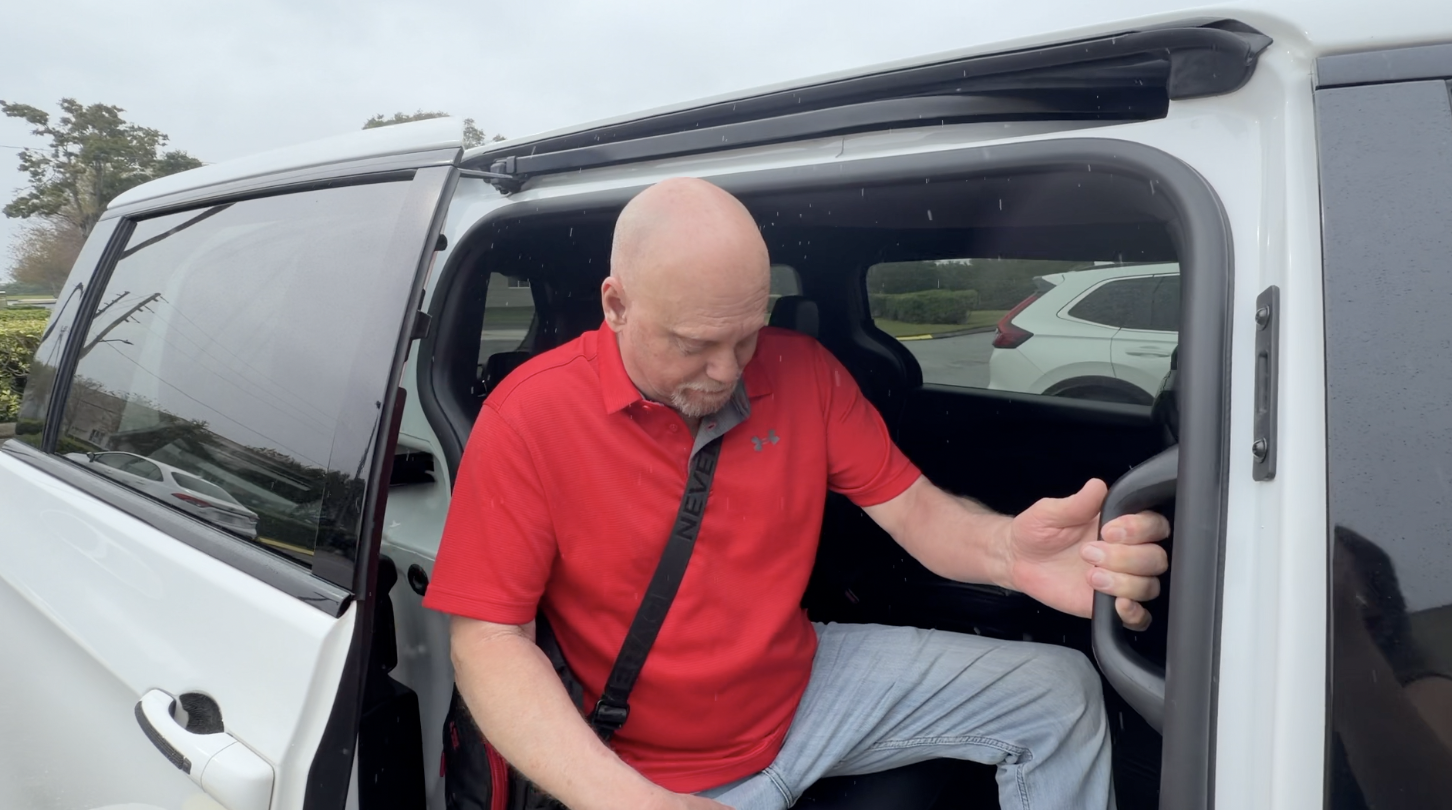
PSTA is expected to vote on the proposed changes Dec. 9.
For Meyer, the Access program remains an important part of his ability to get around independently. He said people who don't rely on specialized transportation may not crealize how much planning goes into an everyday trip.
They don't understand that we do everything they do, but they could just hop in their car, Meyer said. We have to call for a ride, plan a trip, or plan around the trip, so, you know, we get everything done in one shot. They don't understand how difficult it is.


